


DOWNLOAD
This free, guided resource is designed to help individuals and parishes enter deeply into the season of repentance, prayer, almsgiving, and embodied love of neighbor, as we follow Christ toward the cross and resurrection.
LENT 2026
During Lent, we follow the way of Christ, the Good Shepherd, who walks into dark and forgotten places — the alleys, prisons, fields, and sickbeds of the world — and brings light. This same light has shone through followers of Jesus across centuries, through tangible evangelistic love that fed the hungry and visited the lonely in the earliest Christian communities. Without wealth or status, they revealed the kingdom by showing up for “the least of these.”
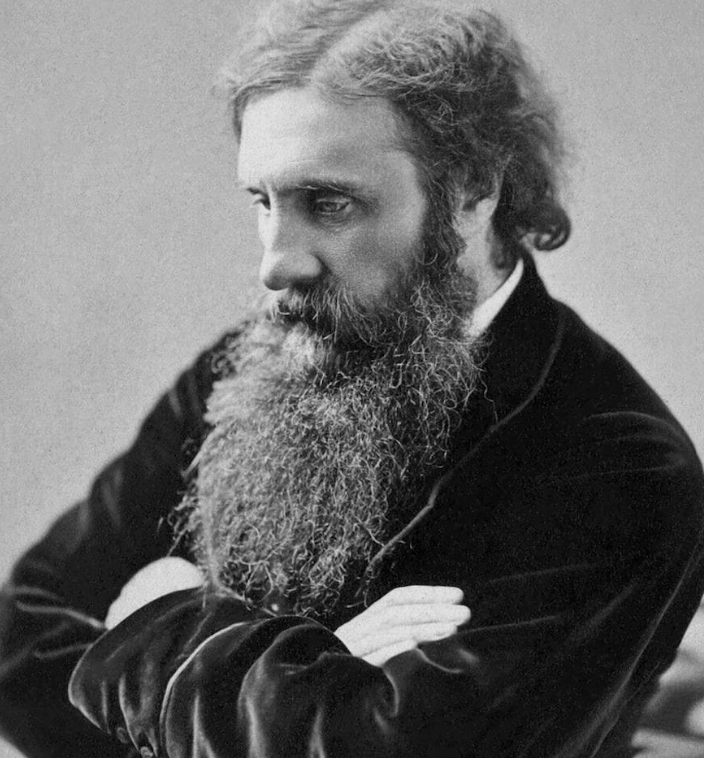
Nineteen centuries later, that same light glowed in Victorian Britain through the imagination of George MacDonald — a Scottish professor, author, and mentor to C.S. Lewis and J.R.R. Tolkien. In his novels, MacDonald named the brokenness of his age: hungry children, impoverished widows, forgotten workers, and those cast out by society’s fears. Through stories of redemption and kindness, he invited readers not just to see the poor but to love them — to become light-bearers themselves.
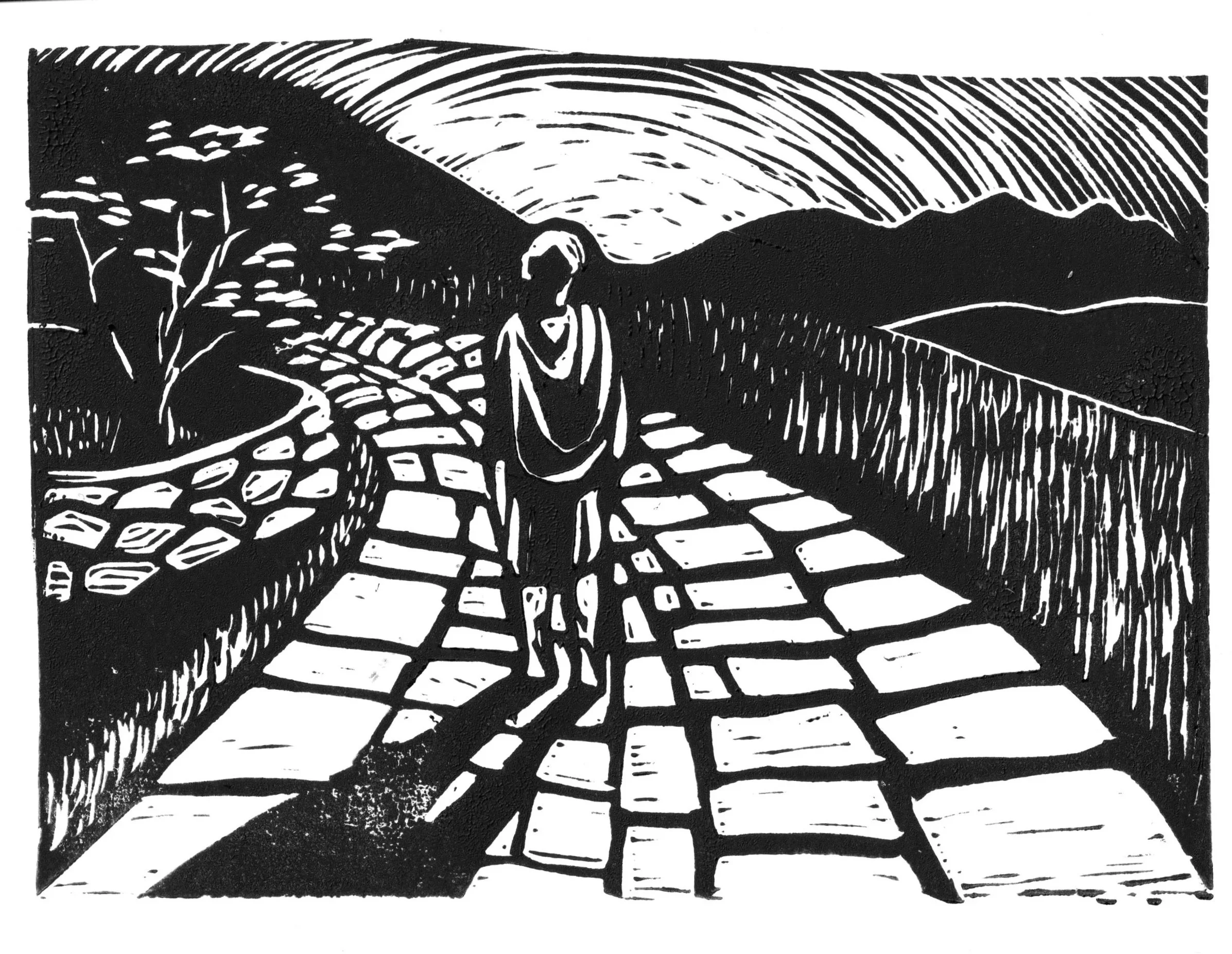
Walk in the Pattern You Have in Us by Bailey Hindmarsh, see artist bio below
Each week follows a simple structure, following the story of a George MacDonald novel and drawing out themes of justice and mercy through statistics, current stories, prayer, and creative ideas for action.
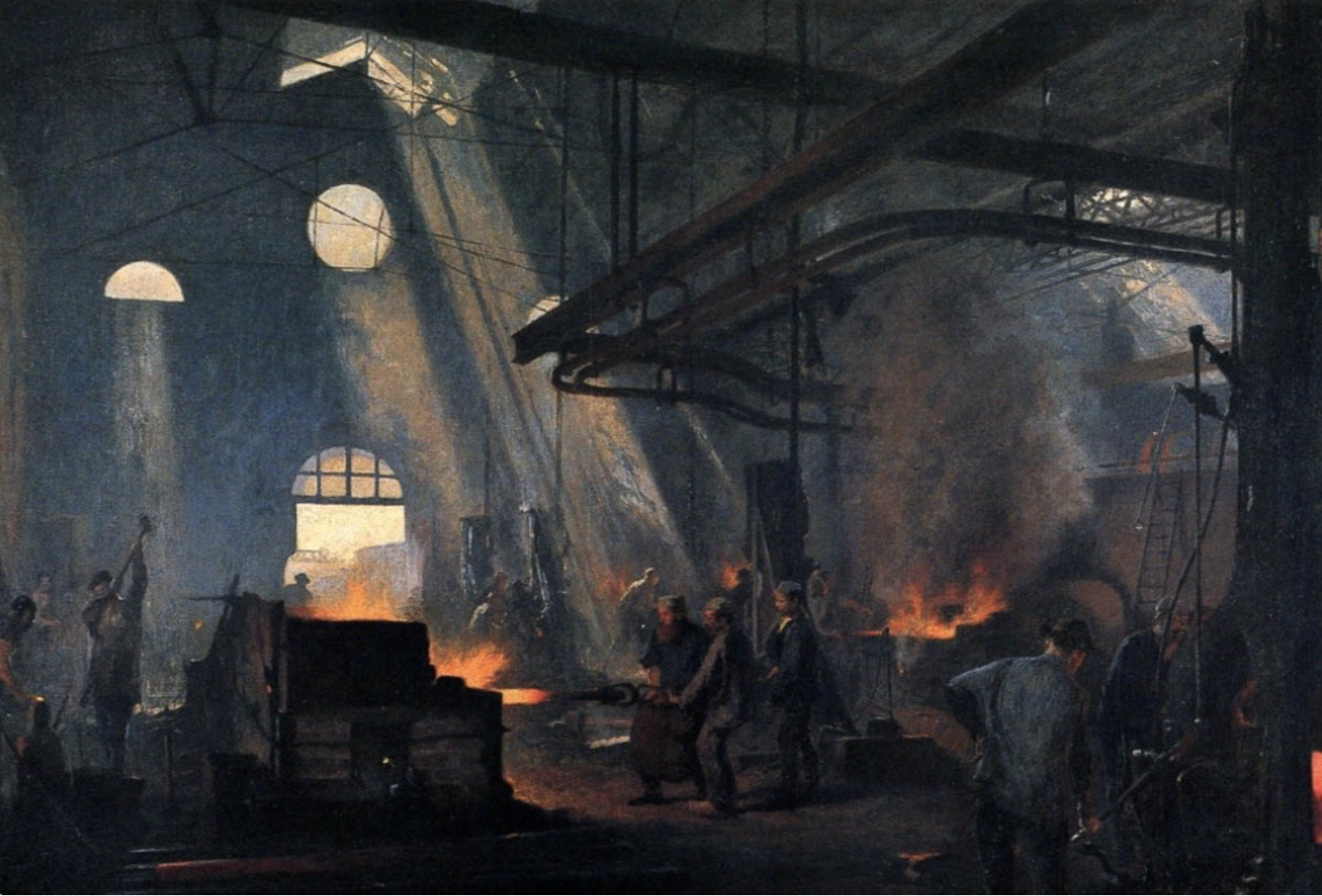
From Sir Gibbie (focus on poverty):
“Deep in a narrow alley that smells of sour ale and refuse, a small barefoot figure bends over a man collapsed against the wall, Gibbie’s thin arms cradling the drunk’s heavy head as if it were something fragile. He has already given away the crust of bread he meant to keep for himself, pressing it into another child’s hand with a quick, luminous smile, and now he simply stis, mute and patient, while the man’s breath comes in ragged gasps. In the dim light, with rain beginning to fall, it is hard to tell which of them carries more of the world’s sorrow, yet the way Gibbie refuses to flinch or flee lets you see the…”
A Forge by Fernand Cormon (1894) Musee D’Orsay

Weekly Content
Taking the novel Sir Gibbie as an example, the weeks in this Lenten devotional are broken down in a similar pattern according to the focus of the novel:
Day 1: LITERATURE. Learn about Sir Gibbie by George MacDonald, a story that highlights children and poverty in the Industrial Revolution.
Day 2: LITERATURE + THEOLOGY. The story of Sir Gibbie challenges us to see the same realities in our current, North American communities, through a biblical lens.
Day 3: LEARNING. Poverty education and justice literacy for our times followed with a prayer that brings it all into conversation with God.
Day 4: ANGLICANS TODAY. A story that helps shape our imaginations of how Anglicans are responding, mending lives (even their own) with God’s love.
Days 5 & 6: NOW WHAT? Reflection questions and practical ideas:
What does this do in your own heart and relationship with God?
Application idea/question for adults
Application idea/question for families/kids
This Lenten voyage is practical, family-oriented, and will open your eyes to problems faced in the Scottish and British Industrial Revolution and the parallels to similar problems today. MacDonald will help you see how the gospel light was burning brightly in a dark time, and will creatively call Christians to God's mission of mercy in a Christ-centered way today.
Let us repent together and become Christ-followers who more fully reflect the good kingdom of God—praying, fasting, and almsgiving with our lives!
C.S. Lewis on George MacDonald
“I have never concealed the fact that I regarded George MacDonald my master; indeed I fancy I have never written a book in which I did not quote from him.”
“I know hardly any other writer who seems to be closer, or more continuously close, to the Spirit of Christ himself.”



Bailey Hindmarsh
Artist Statement
Bailey Hindmarsh is an artist working in Vancouver, BC. As the coordinator at Creative Life, a nonprofit program for youth on the margins, she is able to offer opportunities for engagement with the arts through workshops, exhibitions, and studio space. She began printmaking at Creative Life during a workshop with a guest artist and has since taught many printmaking workshops there.
In this series of prints based on the letter Paul wrote to the Philippians while he was in prison, as well as other biblical passages, she responds to the self-emptying, self-giving love of Christ. Christlike love and humility transform oppression into a means of grace and reconciliation in an upside-down way: “I count everything as loss because of the surpassing worth of knowing Christ Jesus my Lord,” Paul wrote. Bailey’s prints visually interpret this “foolish” grace: Christ’s arms stretched out on the cross are a form of torture and capital punishment, but they are simultaneously the sign of his willing self-sacrifice to redeem humanity. Paul’s tied wrists are the bonds of a prisoner, but they become a symbol of powerful prayer. The newborn Jesus was placed in a feeding trough for animals because Caesar Augustus ordered a census and Mary gave birth on a stable floor far from home, but the manger became an image of Christ as the bread and drink given for the life of the world to reconcile all of creation.
Christ calls us to the same humble self-giving love. When he washed the disciples’ dirty feet, he said, “If I then, your Lord and Teacher, have washed your feet, you also ought to wash one another's feet.” As Paul wrote: “Have this mind among yourselves, which is yours in Christ Jesus, who, though he was in the form of God, did not count equality with God a thing to be grasped, but emptied himself, by taking the form of a servant, being born in the likeness of men. And being found in human form, he humbled himself by becoming obedient to the point of death, even death on a cross. Therefore God has highly exalted him and bestowed on him the name that is above every name, so that at the name of Jesus every knee should bow, in heaven and on earth and under the earth, and every tongue confess that Jesus Christ is Lord, to the glory of God the Father.”